
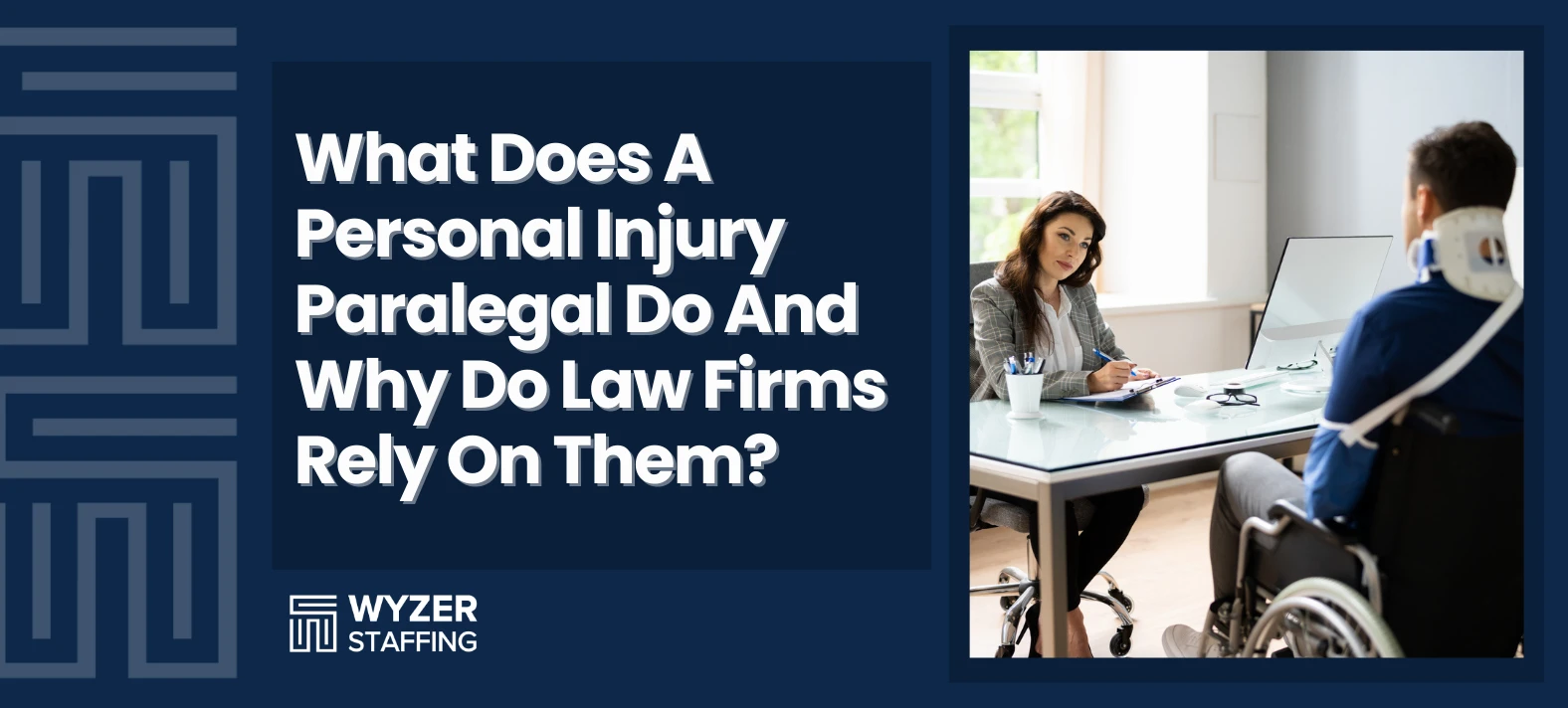
Are your personal injury cases piling up, leaving you overwhelmed with deadlines, client calls, and mountains of paperwork? That’s where a personal injury paralegal comes in.
Handling all the details on your own can slow case progress, complicate client communication, and make it harder to focus on practicing law effectively.
A skilled personal injury paralegal takes on administrative and organizational tasks, allowing you to concentrate on legal strategy, client meetings, and growing your practice efficiently.
In this blog, you’ll learn what a personal injury paralegal does day-to-day, the essential skills they bring, how they support every stage of a case, and why attorneys rely on them to run their practice smoothly.
Keep reading to see how the right paralegal can save you time and help your cases succeed.
What Is A Personal Injury Paralegal?
A personal injury paralegal is a legal professional who assists attorneys handling personal injury cases. They specialize in managing documentation, tracking deadlines, and ensuring that cases move efficiently.
Unlike general paralegals, they understand the details of injury law, medical records, insurance claims, and settlement processes.
Personal injury paralegals often serve as intake specialists, efficiently gathering client information and ensuring cases are set up correctly from the start.
In the U.S., attorneys rely on personal injury paralegals to save time and reduce stress, allowing them to handle more cases effectively.

What Does A Paralegal Do In Personal Injury?
A personal injury paralegal job covers a wide range of responsibilities that help attorneys manage cases efficiently. They handle essential tasks so you can focus on practicing law and strategizing for your clients. Key areas of their work include:
Client Intake And Case Evaluation
Personal injury paralegals gather all initial information about the client and the accident. They create case files, collect medical records, and organize documents, ensuring nothing is missed during the early stages.
For medical and accident documentation, paralegals often consult resources such as USA Gov to confirm proper legal procedures for personal injury claims.
According to the American Bar Association, thorough client intake improves case efficiency and reduces errors in legal proceedings.
Medical Records And Documentation
They request and review medical reports, treatment notes, and billing statements. By summarizing and organizing these documents, you help yourself quickly understand the case’s strengths and weaknesses.
Many paralegals in small firms use legal billing software to efficiently track medical expenses and settlement calculations.
Insurance Coordination
Paralegals communicate with insurance adjusters, verify coverage, and ensure deadlines are met. This reduces back-and-forth work for you and keeps your cases moving efficiently.
Drafting Legal Documents
They prepare demand letters, discovery requests, deposition notices, and other legal documents. Accurate and timely document preparation strengthens your case and keeps it on track.
Personal injury paralegals excel in legal document drafting, ensuring accuracy and compliance with court standards.
Case Organization And Deadline Management
Paralegals maintain case files, track deadlines, and update you on progress. Their organizational skills prevent delays, missed filings, and errors that could jeopardize a case.
Implementing legal task management systems helps paralegals keep track of deadlines, filings, and client communications organized.
Based on the National Association of Legal Assistants (NALA), using structured case management systems increases productivity and ensures compliance with court deadlines.
Settlement And Litigation Support
They compile evidence for settlements, prepare trial exhibits, and assist in depositions. By handling these tasks, paralegals free you to focus on client strategy and negotiations.
Every task is designed to make your workflow smoother and ensure nothing slips through the cracks.
See how a dedicated Personal Injury Paralegal can handle intake, documentation, and deadlines so you can focus on your clients. Learn More About Virtual Paralegal.
What Are Three Things A Paralegal Cannot Do?
Even the best personal injury paralegal has boundaries. They cannot:
- Provide Legal Advice: They can explain processes but cannot advise clients on legal decisions.
- Represent Clients In Court: Only licensed attorneys can appear in court or argue cases.
- Sign Legal Documents: Paralegals cannot sign pleadings, contracts, or settlement agreements.
Understanding these limits helps attorneys delegate tasks effectively while staying compliant.

What Skills Should A Personal Injury Paralegal Have?
A personal injury paralegal job description typically highlights these skills:
- Communication: Keeping clients updated and informed professionally.
- Organization: Managing multiple cases, deadlines, and documentation accurately.
- Medical Knowledge: Understanding medical records and treatment reports.
- Technical Skills: Using case management software to streamline workflows.
- Attention To Detail: Ensuring all documents and evidence are accurate.
- Time Management: Prioritizing tasks to meet deadlines consistently.
These skills allow paralegals to support attorneys efficiently, especially those managing only a few staff or handling many cases on their own.
Why Do Attorneys Rely On Personal Injury Paralegals To Manage Cases Efficiently?
Attorneys face heavy caseloads, tight deadlines, and mounting administrative work. A personal injury paralegal can help by:
- Reducing Administrative Load: Freeing you to focus on legal strategy rather than paperwork.
- Keeping Cases On Track: Ensuring documents, deadlines, and communications are organized.
- Improving Accuracy: Preparing evidence and filings carefully to strengthen your cases.
- Enhancing Client Experience: Providing timely updates and consistent communication.
- Increasing Productivity: Allowing you to dedicate more time to billable work.
Even with just a few cases, having someone handle these tasks can dramatically reduce stress and improve results.
How Does A Personal Injury Paralegal Support Each Stage Of A PI Case?
A personal injury paralegal assists throughout the entire case lifecycle:
- Intake Stage: Gathering initial client information, accident details, and relevant documentation.
- Treatment Stage: Tracking medical treatments, bills, and progress reports.
- Demand Stage: Preparing demand letters and compiling evidence for settlement negotiations.
- Negotiation Stage: Organizing case materials to support attorneys in discussions with insurance adjusters.
- Litigation Stage: Preparing trial exhibits, coordinating depositions, and managing deadlines.
This support ensures that your cases move efficiently and deadlines are never missed.
What Is The Impact Of A Skilled Personal Injury Paralegal On Your Practice?
Having the right personal injury paralegal can transform how you manage your work:
- Streamlined Workflows: Cases move faster and are better organized.
- Fewer Missed Deadlines: Paralegals track court dates, filings, and client follow-ups.
- Stronger Case Files: Evidence is collected and organized correctly.
- Better Client Relationships: Timely updates and communication increase client trust.
- More Time For You: Focus on strategy, billable work, and personal life without sacrificing quality.
A good paralegal acts as an extension of your practice, helping you handle more without adding stress.

Should You Hire In-House Or Virtual Personal Injury Paralegals?
Attorneys often wonder whether to hire in-office or remote staff.
- In-House Paralegals: Offer direct interaction and immediate access to case files.
- Virtual Paralegals: Provide flexibility, lower overhead, and long-term support without the need for office space.
Virtual paralegals can handle intake, drafting, and case management remotely, integrating seamlessly with your workflow.
According to Clio, firms that integrate virtual paralegals see an average 25% increase in workflow efficiency compared to relying solely on in-house staff.
Many attorneys combine virtual paralegal support with legal virtual assistant services to manage tasks efficiently without expanding office space.
To ensure compliance and proper documentation when working remotely, resources like the US Department of State provide guidance on handling sensitive client information securely.
Take the guesswork out of staffing your firm. Use our Staffing Calculator to see the ideal team size for managing your caseload efficiently. Use the calculator here!
Why Should You Consider A Personal Injury Paralegal Through Wyzer Staffing?
Wyzer Staffing connects attorneys with highly qualified personal injury paralegals who can join your practice. They:
- Handle intake, case management, and documentation efficiently.
- Reduce your administrative burden and free up your time.
- Provide long-term support with minimal turnover.
- Fit into your workflow as if they were in your office, virtually or in-person.
Using Wyzer Staffing allows law firms to streamline law firm staffing and hire paralegals who fit their exact needs.
Partnering with Wyzer Staffing allows you to focus on clients, strategy, and growing your practice without the stress of hiring and training a new employee.
FAQs About Personal Injury Paralegal
2. Can A Personal Injury Paralegal Manage Client Communication?
Yes, under your supervision, they can gather case information, provide procedural updates, and answer general questions. This ensures your clients feel informed while you focus on legal strategy.
3. Will A Virtual Personal Injury Paralegal Do The Same Tasks As An In-House Employee?
Absolutely. Virtual paralegals manage case files, draft documents, track deadlines, and coordinate with clients remotely. They provide the same level of support while saving you office space and overhead.
4. What Authority Does A Paralegal Have In Settling A Case?
A paralegal cannot authorize or finalize settlements. They prepare documentation, organize evidence, and support you in negotiations, but the final decision and approval always rest with you as the attorney.
Conclusion
A personal injury paralegal is essential for attorneys handling multiple cases, tight deadlines, and complex documentation. They streamline workflows, improve client communication, and support better settlements.
Incorporating a personal injury paralegal is a key part of small law firm management, allowing attorneys to increase efficiency and client satisfaction.
If you want more time for strategy, billable work, and personal life, consider hiring a personal injury paralegal through Wyzer Staffing. Their expertise can become a long-term part of your practice, helping you focus on what matters most—winning cases.
Ready to save time and grow your practice? Book a consultation with Wyzer Staffing and hire your Personal Injury Paralegal today.
Discover more from Wyzer Staffing
Subscribe to get the latest posts sent to your email.