

How can legal drafting be made faster, clearer, and more efficient for attorneys?
For many lawyers, drafting documents can consume hours of the workday, draining both energy and focus. Whether you manage a large practice or a small law firm management, drafting is one of those tasks that can spiral into a time sink without the right process.
Whether it’s a motion, contract, or will, drafting isn’t just about putting words on paper—it’s about getting every detail right the first time.
When your drafting is clear and precise, your work moves faster, your clients trust you more, and you spend less time correcting mistakes.
But when it’s vague or disorganized, it leads to missed deadlines, confused clients, and disputes that could have been avoided.
This guide will walk you through proven techniques so you can create accurate, polished documents—and keep more of your time for the things that matter most.
What Is Legal Drafting And Why Is It Essential For Attorneys?
In simple terms, legal drafting means writing documents that are clear, accurate, and enforceable under U.S. law. These could be contracts, pleadings, affidavits, wills—you name it.
Good drafting isn’t just about meeting court requirements. It’s also an essential step in law firm financial management, since inefficient drafting can directly affect billable hours and profitability.
The more precise you are, the fewer questions you get from judges, clients, or opposing counsel.
Poor drafting, on the other hand, can be costly.
According to Thomson Reuters, lawyers spend 40–60% of their time drafting documents, yet often waste an extra 15 minutes just searching for the right starting point. That’s billable time you can’t get back.
And unclear language in a contract or pleading can open the door for disputes, slow your case progress, or hurt your client’s position.
In short—if your drafting is tight, you save time, protect your reputation, and strengthen your client’s case.
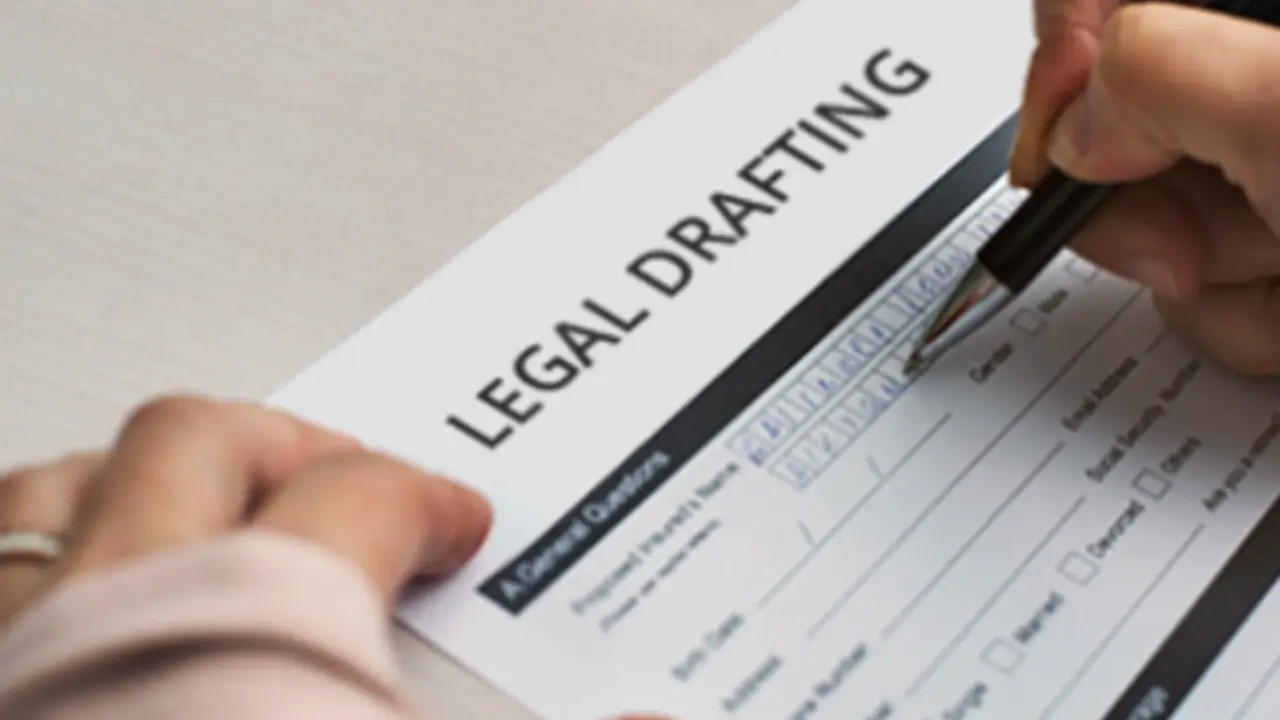
What Are The Key Techniques For Effective Legal Drafting?
Here’s where you can make big improvements in your legal drafting. Think of these as tools you can rely on every time you sit down to write:
1. Organize Your Draft With A Logical Structure
Start with a clear outline. Use headings and subheadings so anyone—whether it’s a judge or your client—can follow along without re-reading.
If you’re working from a legal document drafting template, adapt it to the specifics of your case. Templates are a time-saver, but not a replacement for good judgment.
A well-structured document also supports better law firm client onboarding, because it ensures that contracts, retainer agreements, and service terms are presented clearly from the start.
2. Write In Plain, Concise, And Precise Language
Complex doesn’t always mean better. Skip unnecessary legalese and get straight to the point. For example, instead of “pursuant to the provisions of,” say “under.” It’s faster to read and harder to misunderstand.
Using plain language is also a best practice in legal marketing strategy, because it builds trust and makes legal services more approachable for potential clients.
3. Avoid Unnecessary Repetition And Wordiness
Repetition can make your drafting drag. Tighten your sentences so they’re direct and powerful. A single well-chosen word often says more than a long phrase.
According to American Bar Association, clarity and brevity are key indicators of professionalism in legal writing—qualities clients increasingly expect.
4. Check Facts And Verify Citations Rigorously
Incorrect citations can wreck your credibility. Remember the recent U.S. cases where attorneys faced fines—up to $31,100—over fake AI-generated citations? Always double-check statutes, case law, and quotes before sending anything out.
Here’s where ediscovery for law firms plays a role—it can speed up fact-checking and document review, reducing the risk of errors.
5. Stick To Formatting And Court-Specific Rules
Formatting isn’t just about making your documents look nice—it can impact whether they’re accepted. Your legal drafting format should always match jurisdiction requirements.
That means margins, font size, line spacing, and even word choice may differ depending on where you’re filing.
6. Customize Templates Thoughtfully
A legal drafting template is a great starting point, but every client’s case is unique.
Remove irrelevant sections, add missing clauses, and make sure it matches the facts of your matter. Never just fill in the blanks and hit “send.”
7. Edit And Proofread Thoroughly
Spelling mistakes or misplaced words can change the meaning of a clause. Give your draft at least one more careful read-through than you think it needs. Better yet, have someone else review it if you can.
Streamline your legal drafting and save hours each week—get a Virtual Legal Assistant from Wyzer Staffing to help perfect every document. Book a Free Consultation today!

What Are Common Mistakes To Avoid In Legal Drafting?
Even experienced attorneys make these mistakes from time to time. Here’s what to watch out for:
- Using too much legalese that confuses your reader.
- Ignoring local court rules or state-specific requirements.
- Relying on outdated or generic templates without changes.
- Forgetting to proofread or verify citations.
- Writing overly complex sentences that bury your main point.
Avoiding these errors alone can make your documents clearer, stronger, and more persuasive.
Harvard Law School also emphasizes that legal writing mistakes often stem from poor planning, not lack of legal knowledge—a reminder to spend more time on your outline before you draft.
Can Virtual Legal Assistants Help With Legal Drafting?
Absolutely. A skilled virtual legal assistant can handle much of the heavy lifting in legal drafting—giving you more time to focus on strategy and client work. They can:
- Draft or proofread contracts, pleadings, and letters.
- Ensure your documents follow the correct legal drafting format.
- Keep track of jurisdiction-specific requirements.
- Help manage high workloads without the cost of a full-time hire.
If you’re juggling too many cases or spending evenings fixing drafts, bringing in a virtual legal assistant can be a game changer. They become part of your workflow, freeing you up for the parts of your job only you can do.
And when combined with virtual vs. in-house staffing strategies, you can choose the setup that maximizes flexibility and cost-efficiency for your firm.
FAQs About Legal Drafting
2. What Types Of Legal Drafting Will I Handle Most Often?
Attorneys often prepare contracts, motions, pleadings, wills, affidavits, and settlement agreements. Each requires its own structure and tone.
3. Can I Use Online Legal Drafting Examples For My Practice?
Yes, but adapt them. Many sites offer templates and samples, but you must customize them to
4. Is A Legal Drafting Course Worth It?
If you want to improve speed and accuracy, yes. A structured course can sharpen your skills and help you stay current with legal writing trends.
5. How Does US Legal Drafting Differ From Other Countries?
In the U.S., there’s a strong emphasis on plain language and compliance with specific court rules. Always review your local jurisdiction’s requirements.
Conclusion
Strong legal drafting can make your work faster, more accurate, and more persuasive.
It protects your clients, builds your reputation, and frees up time for the parts of your practice that matter most.
If you want reliable, long-term drafting support without the cost of a full-time hire, Wyzer Staffing can connect you with experienced virtual paralegals who understand U.S. legal drafting.
Let’s make sure your next draft is your best. Contact us today.