

Have you caught yourself spending more time chasing emails, managing calendars, or organizing files than actually practicing law? If that sounds familiar, you’re not alone—and it’s exactly why many attorneys bring in a legal assistant sooner than they think.
A legal assistant helps you reclaim time, reduce stress, and run a more efficient practice without the overhead of hiring another attorney. Instead of reacting to daily admin fires, you can focus on billable hours, client strategy, and firm growth.
Not sure if a legal assistant is right for your practice? Schedule a free consultation with Wyzer Staffing to get matched with experienced legal assistants who support U.S. attorneys.
What Is A Legal Assistant?
A legal assistant is a trained professional who supports attorneys by handling administrative and procedural legal tasks that keep a law practice running smoothly.
Think of them as the operational backbone of your firm. They manage the details that don’t require legal analysis but still demand accuracy, deadlines, and legal know-how.
Unlike general administrative assistants, understand:
- Legal terminology and court procedures
- Law firm workflows and case lifecycles
- Confidentiality and compliance requirements
Unlike virtual paralegals, they typically don’t perform substantive legal analysis or provide legal opinions, in keeping with ABA guidelines to avoid the unauthorized practice of law.
According to the Connecticut Bar Association, this distinction is crucial when deciding whom to hire first, as it protects both the firm and the assistant from potential liability.
They focus on supporting roles, ensuring compliance with legal standards, and effectively managing administrative tasks.

What Does A Legal Assistant Do?
A legal assistant job description usually combines administrative support with legal-specific responsibilities.
Here’s what they commonly handle:
Core Responsibilities:
- Calendar and deadline management: Court dates, filing deadlines, client meetings, and reminders—tracked and organized.
- Document preparation and formatting: Drafting correspondence, pleadings, contracts, and forms based on attorney templates.
- File and case management: Maintaining organized digital and physical files so nothing slips through the cracks.
- Client communication: Scheduling appointments, sending updates, and answering routine questions.
- Legal research support: Pulling statutes, case law, or court rules for attorney review (non-analytical).
- Billing and invoicing assistance: Tracking time, preparing invoices, and following up on payments.
These tasks may sound small individually, but together they consume hours of an attorney’s day.
According to Clio, attorneys average only about 2.6 hours of billable work per day due to administrative overload. Referencing the 2023 study, this statistic underscores the impact of non-billable tasks on legal professionals’ productivity.
Why Do Attorneys Struggle Without A Legal Assistant?
Many solo attorneys and small firms delay hiring support because they think they need to “earn it first.” In reality, the lack of help often limits growth.
Attorneys commonly face:
- Missed or rushed deadlines
- Slow client response times
- Inconsistent billing
- Increased stress and burnout
Every hour spent on admin is an hour not spent serving clients or generating revenue. Over time, that imbalance compounds.
Feeling stretched thin? Talk to Wyzer Staffing about virtual legal assistant support that fits your current workload.
How Does It Help You To Focus And Grow?
Hiring a legal assistant isn’t about building a big firm—it’s about building a sustainable one.
1. You Save Time Immediately
From day one, it takes recurring tasks off your plate. That could mean:
- Fewer interruptions during deep work
- Cleaner inboxes
- Predictable daily workflows
Even 5–10 hours of weekly support can free up significant mental space.
2. You Improve Efficiency Without Overhead
Legal assistants are often already familiar with tools like:
- Clio or MyCase
- Microsoft Word and Outlook
- Court e-filing systems
That means less training and faster impact. This is one of the simplest ways to improve law firm profitability while reducing stress.
3. You Deliver Better Client Service
When someone is dedicated to follow-ups, scheduling, and documentation, clients notice.
Faster responses and organized communication build trust—and trust leads to referrals.
4. You Create Room to Scale
With a legal assistant managing operations, you can take on more cases without burning out. Instead of reacting to growth, you’re prepared for it. You might even have time to handle law firm social media marketing or other growth initiatives.
Legal Assistants vs. Paralegals: What’s The Difference?
This is one of the most common questions attorneys ask during the hiring process.
Paralegal vs Legal Assistant: Core Differences
| Area | Legal Assistant | Paralegal |
|---|---|---|
| Primary Focus | Administrative & procedural support | Substantive legal work |
| Legal Analysis | No | Yes (under attorney supervision) |
| Drafting | Templates & correspondence | Legal documents & pleadings |
| Ideal First Hire | Yes | Depends on caseload |
In short, if admin work is slowing you down, a legal assistant is often the smarter first legal staff to hire.
What Is The Average Salary?
Legal assistant pay varies based on experience, location, and work arrangement.
Paralegal vs Legal Assistant Salary Considerations
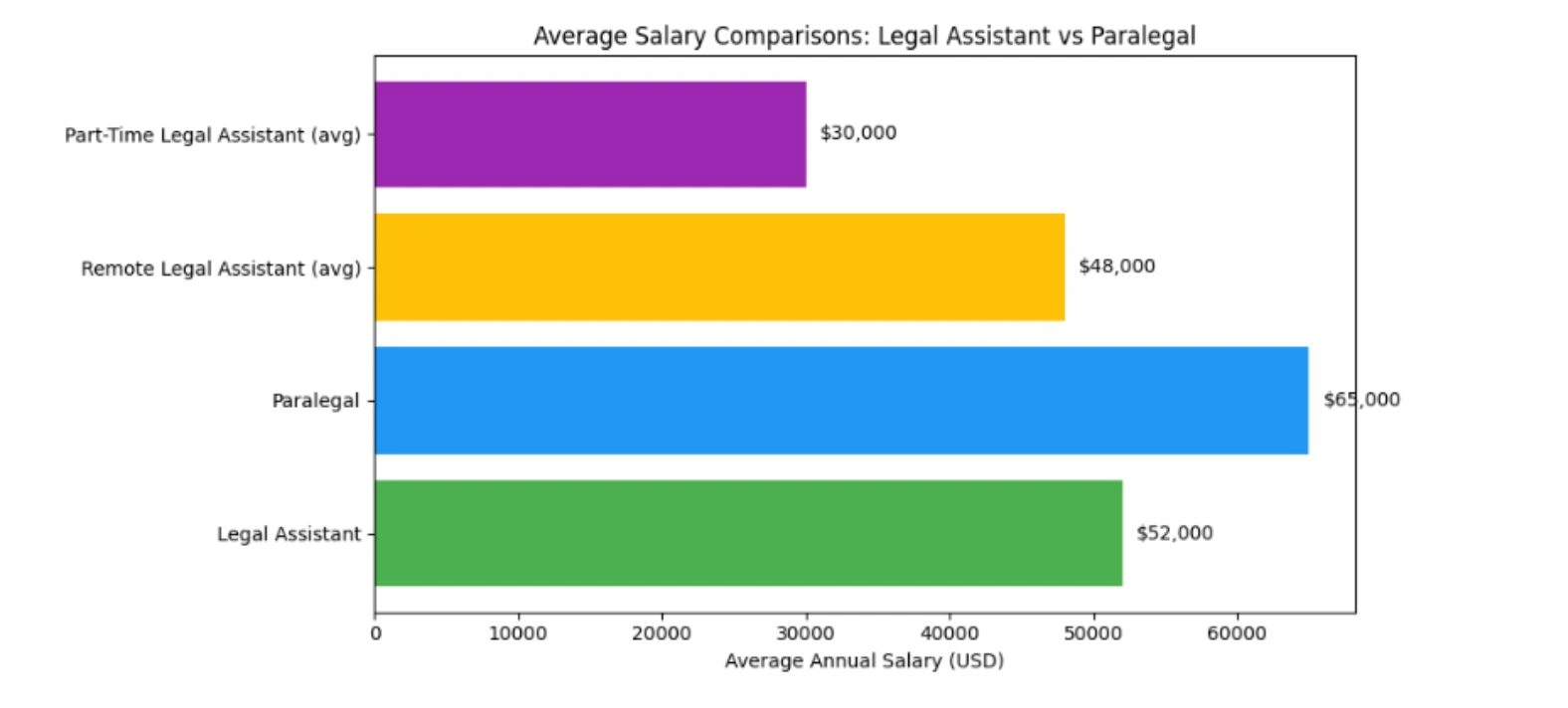
- Legal assistants generally earn less than paralegals.
- Remote or virtual assistants can be more cost-effective.
- Part-time support reduces long-term financial risk.
According to the U.S. Bureau of Labor Statistics and industry reports, here’s how salaries typically compare for legal assistants and paralegals:
For many firms, the cost is easily offset by increased billable hours and improved cash flow.
Before making a hiring decision, it helps to run a quick comparison of your actual staffing needs versus expected costs. You can use the Wyzer Staffing Calculator to estimate the level of support that best fits your firm and to see how different staffing configurations affect your overall budget.
What Should You Look For When Hiring?
Use this quick checklist when evaluating candidates:
- Prior law firm or legal experience
- Familiarity with your practice area
- Comfort with legal tech tools
- Strong written and verbal communication
- Understanding of confidentiality and data security
Onboarding Tip: Start with a clear task list for the first 30 days—calendar management, file cleanup, and client follow-ups are great early wins.
Why Attorneys Choose Wyzer Staffing?
Wyzer Staffing focuses exclusively on legal professionals. We understand the pressure attorneys face because we work with law firms every day.
What Sets Wyzer Apart
- Legal-Only Expertise: We staff legal assistants who already understand law firm workflows.
- Smart Matching: Candidates are vetted for experience supporting U.S. attorneys.
- Flexible Engagements: Part-time, full-time, or scalable support.
- Growth Partnership: As your caseload grows, so does your support.
Working with legal staffing agencies like Wyzer ensures you’re matched with assistants who can hit the ground running.

FAQs About Legal Assistant
2. Is Hiring A Legal Assistant Expensive?
Not compared to lost billable hours. Flexible and part-time options make it affordable for small firms.
3. Can A Legal Assistant Work Remotely?
Yes. Many legal assistants now support firms remotely while maintaining confidentiality and efficiency.
Conclusion
You don’t need to do everything yourself to be a successful attorney.
A legal assistant helps you regain control of your time, reduce daily stress, and build a practice that supports your long-term goals.
Whether you need short-term support or a long-term team member, Wyzer Staffing can connect you with experienced legal assistants who understand your workflow.
Ready to work smarter? Contact Wyzer Staffing today and take the first step toward a more balanced, profitable legal practice.
Discover more from Wyzer Staffing
Subscribe to get the latest posts sent to your email.